
Brand
Safety and Quality
A baby sling depends on materials, construction, hardware, condition, correct preparation, and continuous attention during use. This page explains the quality areas PsLing considers and the checks every user must still make.
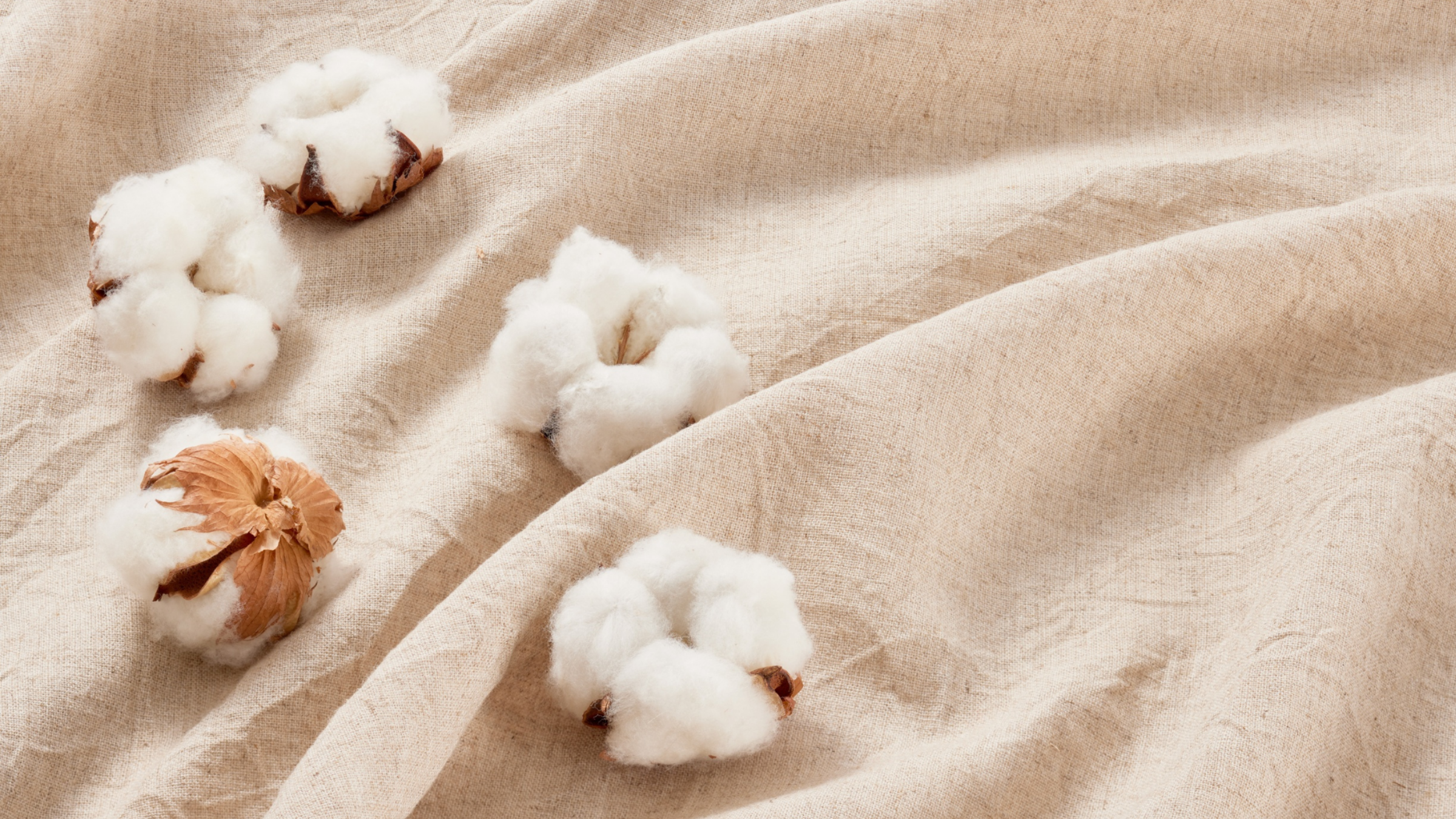
Material
Fabric Selected for Its Intended Product
Fibre, weave, dye, finish, and construction all affect how a sling behaves.
PsLing collections may use different natural-fibre fabrics and finishes. The exact composition and care requirements must be checked on the individual product and sewn-in label. No material is suitable for every person or every circumstance, and skin sensitivity should be considered individually.
Construction
Stitching and Structure Are Functional
Seam placement, fabric layers, shoulder construction, and tail length are part of the carrying system.
Construction should be checked during production and by the user before every use. Decorative appearance does not replace structural inspection. Loose or broken stitching, tears, thinning, or deformation are reasons to stop using the sling until it has been assessed.

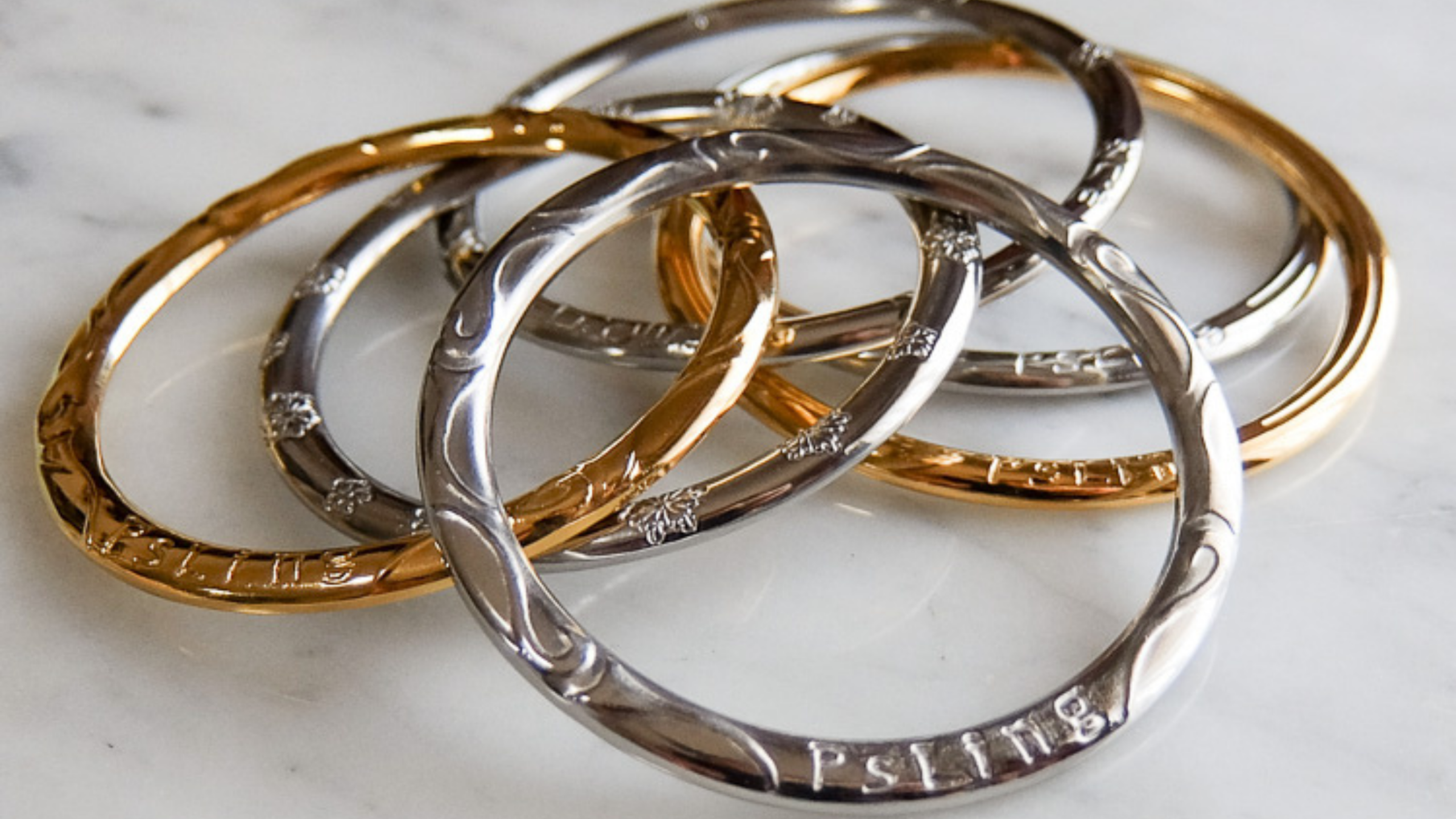
Rings
Hardware Must Remain Smooth and Undamaged
The rings secure the threaded fabric and lock it under load.
Before each use, check both rings for cracks, deformation, rough or sharp edges, coating damage that creates a rough surface, and anything that could damage the fabric. Never substitute unapproved rings or other hardware. Stop using the sling if either ring or the surrounding fabric is damaged.
Quality Information
Claims Must Match the Current Product
Materials, components, suppliers, production methods, tests, and destination requirements may change. Any published test result or compliance statement must identify the product or component, method, date, result, and applicable market. This page does not claim that PsLing is certified, medically approved, risk-free, or suitable for every baby.
Product-specific
Evidence must be tied to the actual model, material, component, and production period.
Traceable
Test methods, dates, results, and responsible organizations must be recorded before a claim is published.
Market-aware
A test or practice in one country does not automatically establish compliance in another destination.
Every Use
Quality Does Not Replace Correct Wearing
- Inspect the fabric, seams, shoulder construction, and both rings before use.
- Thread and prepare the sling according to the current PsLing instructions.
- Keep the baby’s entire face visible and keep the nose and mouth clear.
- Prevent the chin from being pressed onto the chest, and support the neck and back.
- Support the baby continuously while loading, unloading, or making any permitted adjustment.
- Recheck the baby, fabric, rings, and your balance frequently throughout use.
- Stop immediately if breathing seems unusual, the baby slumps, the face becomes obstructed, or any component shifts or appears damaged.
Consult a doctor before use for a premature or low-birth-weight baby, a baby with respiratory symptoms, or whenever you are uncertain.
Ask About a Specific PsLing
Send us the product name, photographs of the sling and labels, and your country or region if you need product-specific material, care, condition, or availability information.